Home / Therapeutic Areas / Dermatology
Dermatology
Biometrics support for dermatology studies, from endpoint selection to clear, submission-ready reporting.
Home / Therapeutic Areas / Dermatology
Biometrics support for dermatology studies, from endpoint selection to clear, submission-ready reporting.
To be most successful, dermatology clinical trials should be accessible to a diverse array of qualified patients and designed to encourage patient participation. These trials should also reduce the patient and investigator site burdens, reduce start-up and enrollment timelines, and ensure consistent, high-quality assessments and data collection.
With extensive experience in dermatology trials; an international network of sites with dermatology experience in key indications, such as psoriasis and atopic dermatitis; access to a large database of potential trial participants; and a commitment to tailored trial design and leveraging digital tools, Sigma-Chi is ideally positioned to help sponsors rapidly and successfully complete dermatology studies, even in the face of challenges posed by the COVID-19 pandemic.
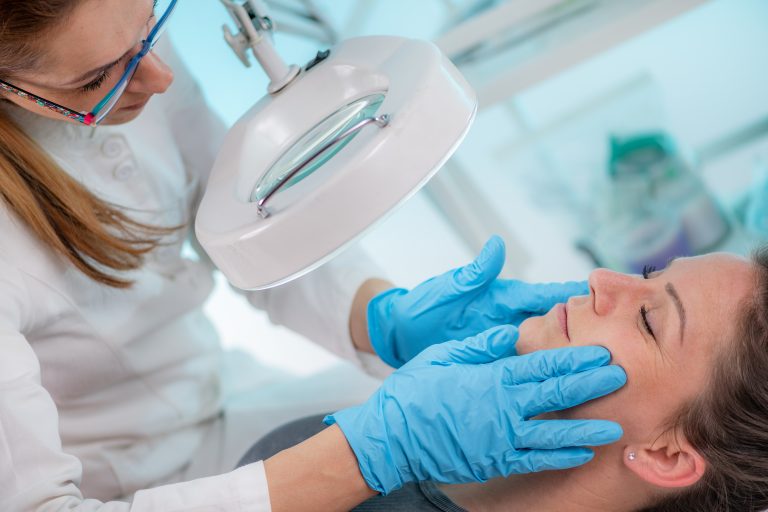

While advances have been made in dermatological medicine, including the development of novel biologic drugs, unmet needs remain in most non-malignant dermatological conditions, including acne, atopic dermatitis, psoriasis, rosacea, alopecia, and skin rejuvenation (wrinkle revision with dermal fillers or botulinum toxin products).
Widely available over-the-counter (OTC) and prescription topical corticosteroids are generally first-line treatments for psoriasis and atopic dermatitis, but they are not long-term solutions owing to issues with side effects. Similarly, biologic products are expensive and not always included in health insurance formularies, and there are variable country-level guidelines and approvals of different products.
In addition to more traditional topical products and novel injectables, drug companies are also developing oral medications. There is also significant development activity in biosimilar products for the treatment of psoriasis and atopic dermatitis and growing interest in plant-based/botanical type products, including those based on cannabidiol (CBD).
The dermatology development landscape can be further segmented into consumer health (OTC) and prescription markets, the latter of which includes topical preparations of various types, as well as oral and injectable products that include non-biologic anti-inflammatory agents, biologics, and biosimilars. The following medical conditions are related to skin disorders and reconstructive and cosmetic surgeries.

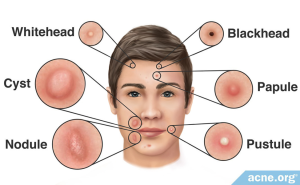
Acne is a common skin condition that occurs when hair follicles become clogged with oil and dead skin cells, leading to the development of pimples, blackheads, and whiteheads. It is most commonly seen in teenagers and young adults but can affect individuals of all ages. Treatment options for acne include topical medications, oral medications, and lifestyle modifications such as a healthy diet and stress management.

Acne Inversa is a chronic skin disease that affects the hair follicles and sweat glands. It causes painful, pus-filled nodules and abscesses in areas of the body where skin rubs against skin. The condition can significantly impact a person’s quality of life, causing physical discomfort and emotional distress.

Local anesthesia is a type of anesthesia that numbs a small area of the body, usually through injection or topical application. It is commonly used in dental procedures, minor surgeries, and as a pain relief option during labor and delivery. Local anesthesia does not cause the patient to lose consciousness or require intubation, making it a safer option for some patients.

Your connection to this website is encrypted. You can check its security status at any time with these free, independent services:
GoogleGoogle Safe BrowsingMalware, phishing and unsafe contentCheck → SucuriSucuri SiteCheckMalware and blacklist scanScan → 🔒 SSLSSL certificateHTTPS encryption report by SSL LabsView →We protect your data as described in our Privacy Policy.